Our Mission
To build better men through lifelong friendships, leadership opportunities and character development.
Our Vision
To grow the Zeta Chapter through a complete dedication to developing the full potential of all our brothers and building a strong, vibrant alumni network.
Our Values
Truth
Truth
Honor
Integrity
Integrity
Our History
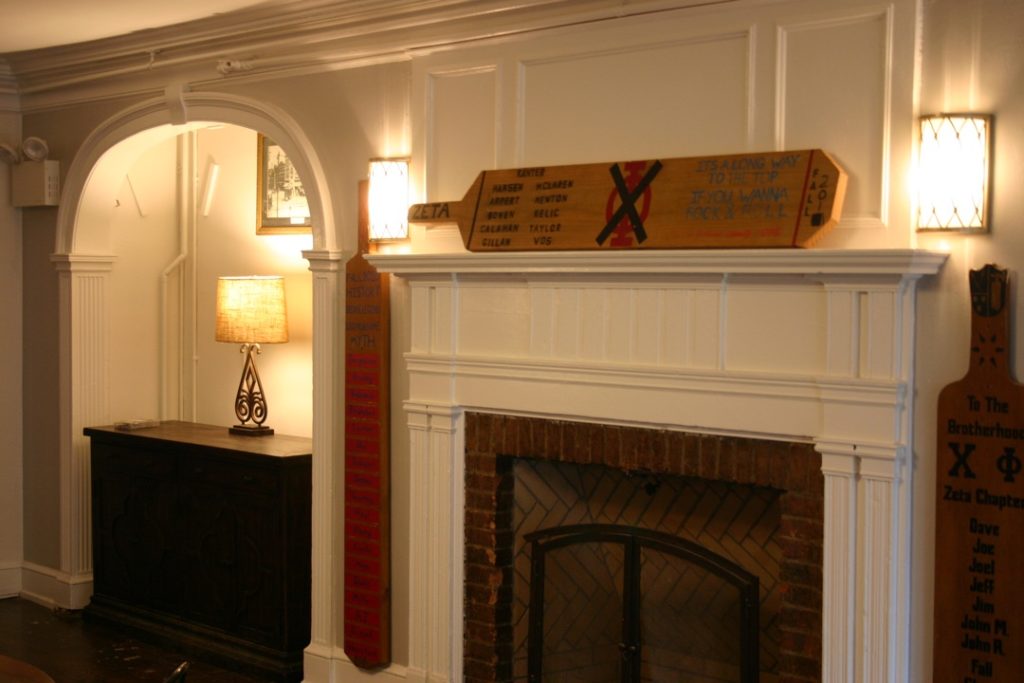
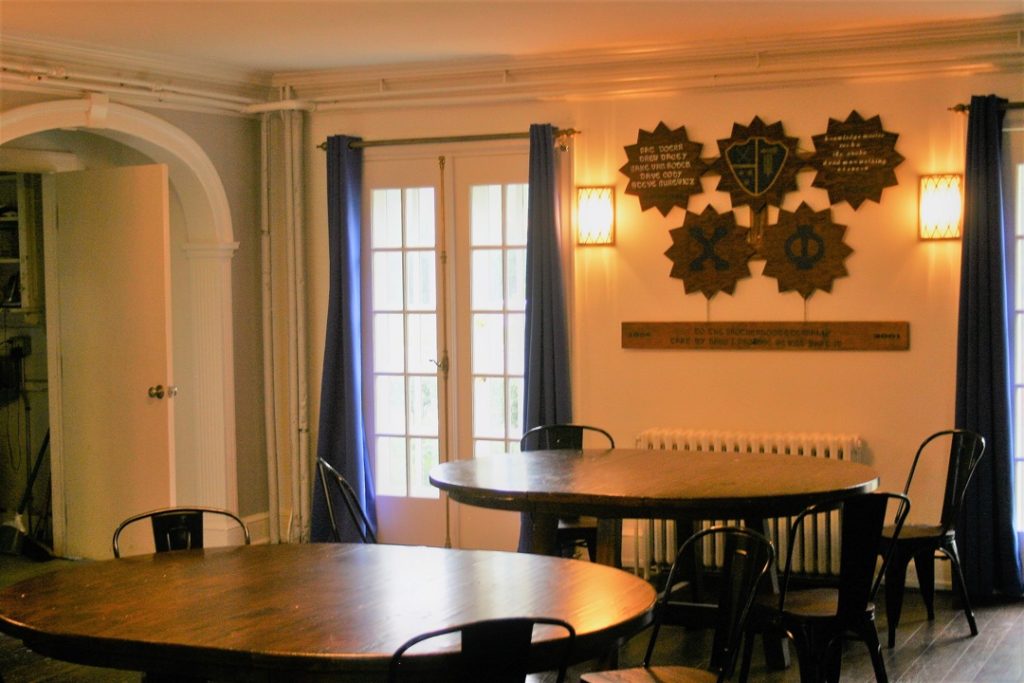
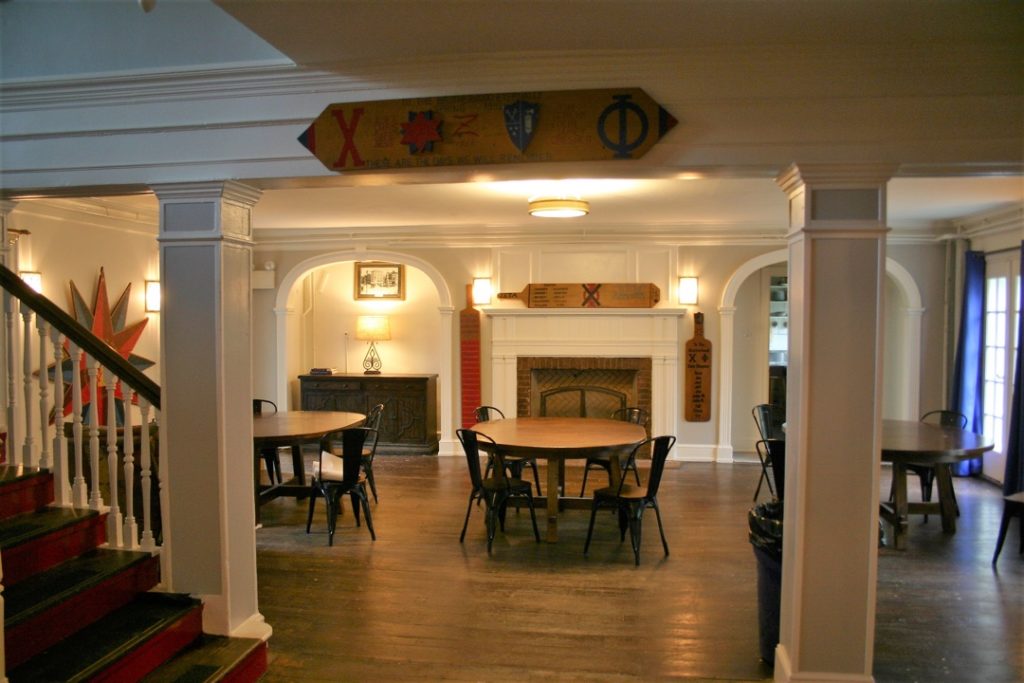
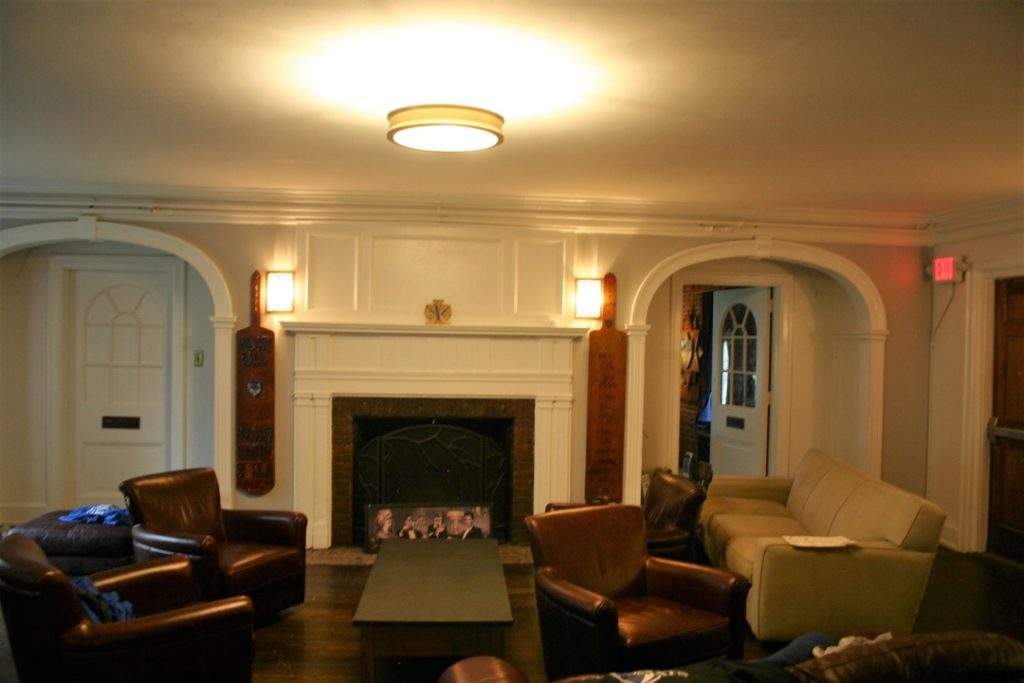
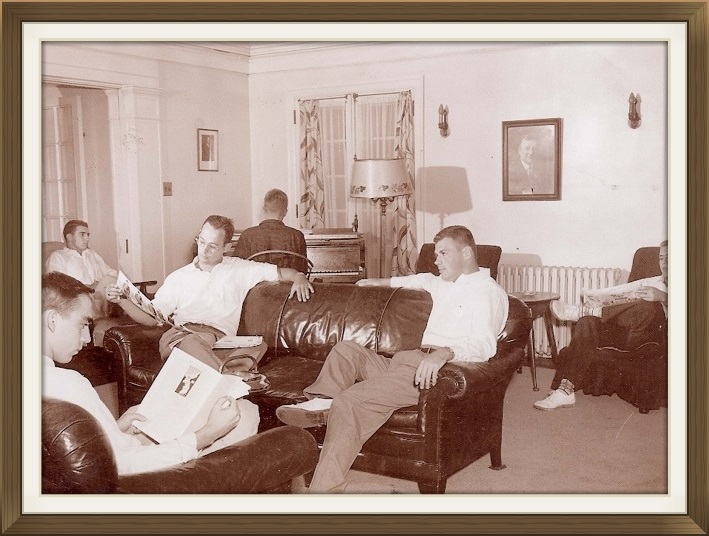
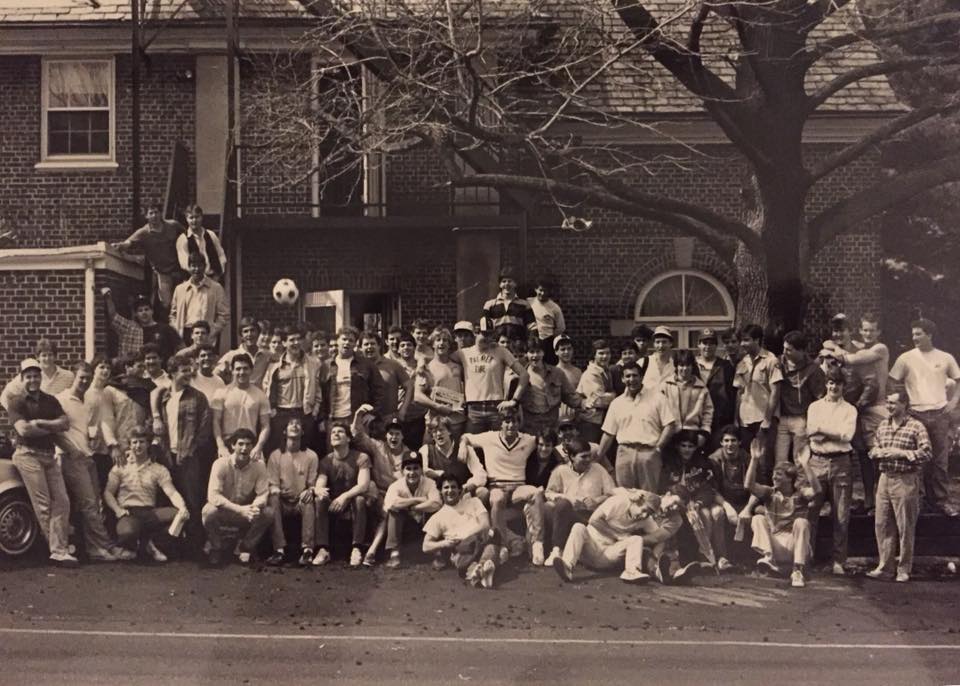
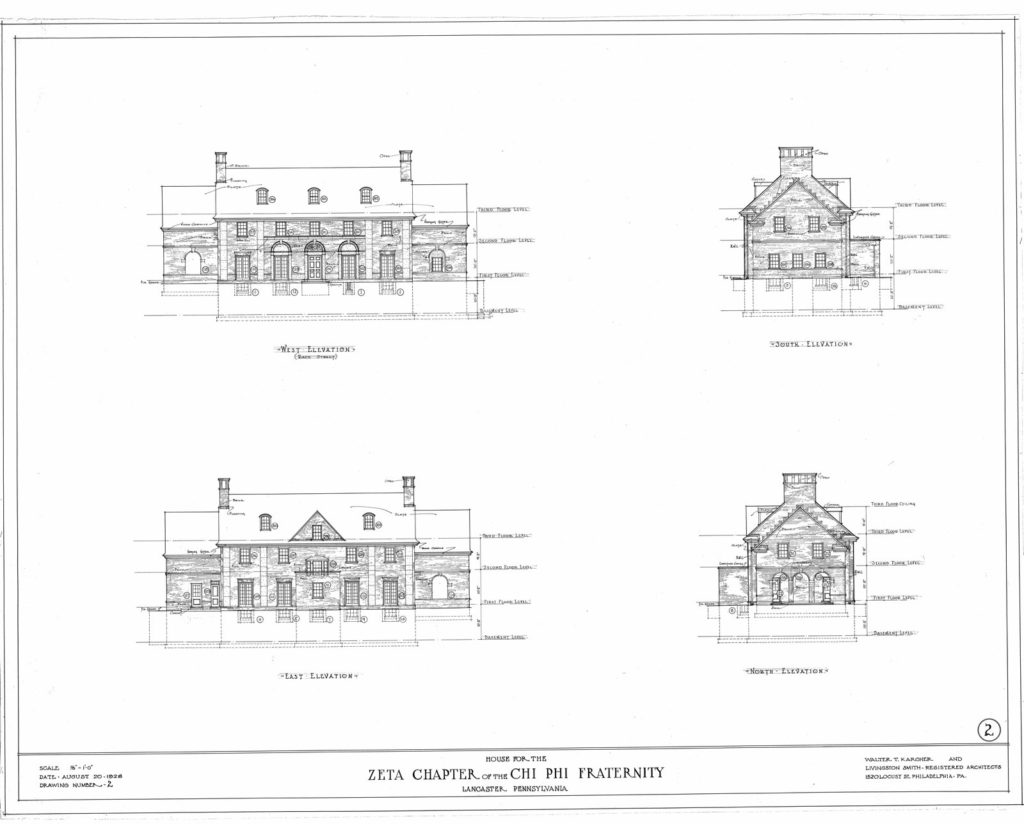
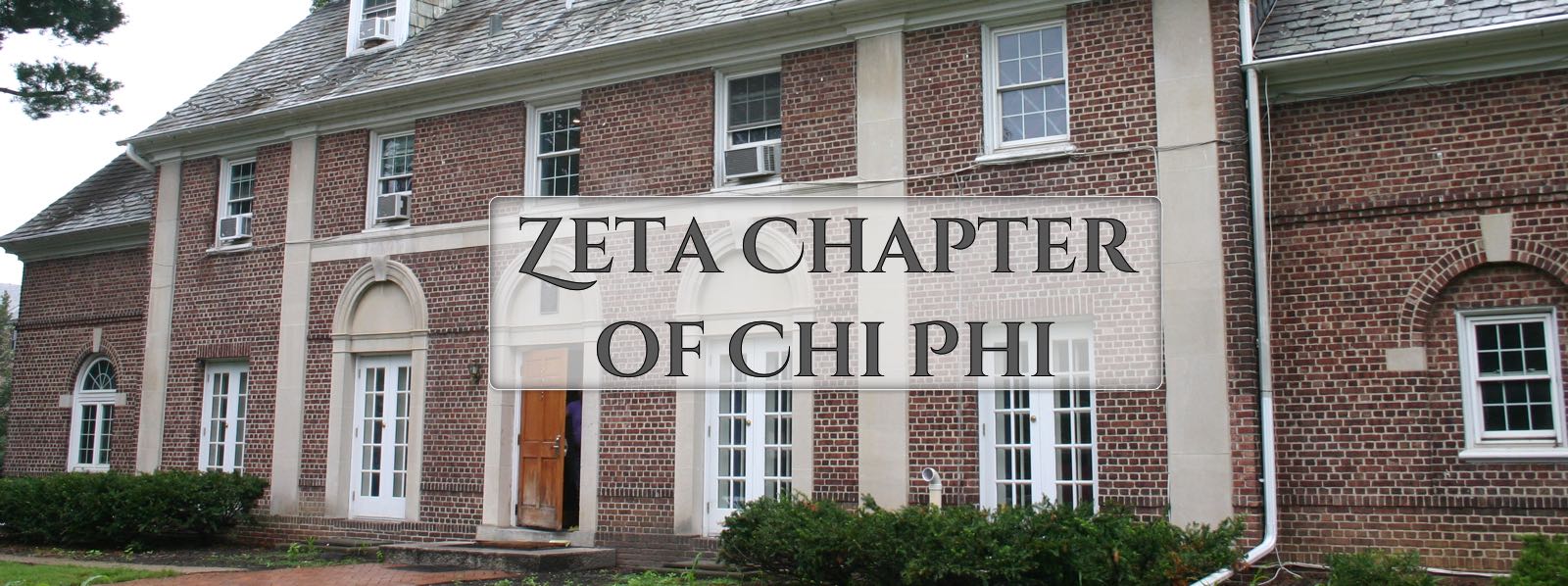
The Zeta Chapter of Chi Phi was founded in 1854, and 603 Race Avenue has been our home since 1929. We remain today the longest continuing operating chapter in America. We have seen 2,000 students become Brothers, Brothers become Men, and Men become Leaders. We have excelled in school academically and athletically, in life professionally, and in service to each other.
Our Brotherhood is committed to ensuring that our vibrancy will last for the ages.
As with all dynamic organizations, there is a need to maintain relevance in these challenging times. We need to be there for our brothers (active and alumni), the college and society at large. To that end we have recommitted to our founding values of Truth, Honor and Integrity.
These are hostile times for fraternities as we have all struggled to find a voice and purpose in today’s ever shifting cultural mores - we are not immune. We are privileged to have the only house on campus, but we must manage the house structurally, ethically and socially.
We are working to create a formal Alumni Board, with active brotherhood representation, that has specific leadership and operating responsibilities. We have already started aggressively pursuing mission critical renovations and have formed a development team to focus on strategy, financial control, fundraising, communications and messaging. With your help we want to identify era captains and champions who will work side by side with the active Brothers as mentors.
Through the work of dedicated and generous alumni along with a reinvigorated brotherhood significant progress has been made, but much more work needs to be done and we need your help today.
Donate Today!
Note: Contributions to the Chi Phi Renovation Fund are not tax-deductible contributions. Chi Phi Fraternity, Inc. d/b/a Chi Phi House Association is a 501(c)7, tax-exempt organization. Contributions by check can be made payable to the Chi Phi House Association and mailed to:
Contact Us:
Pictures